
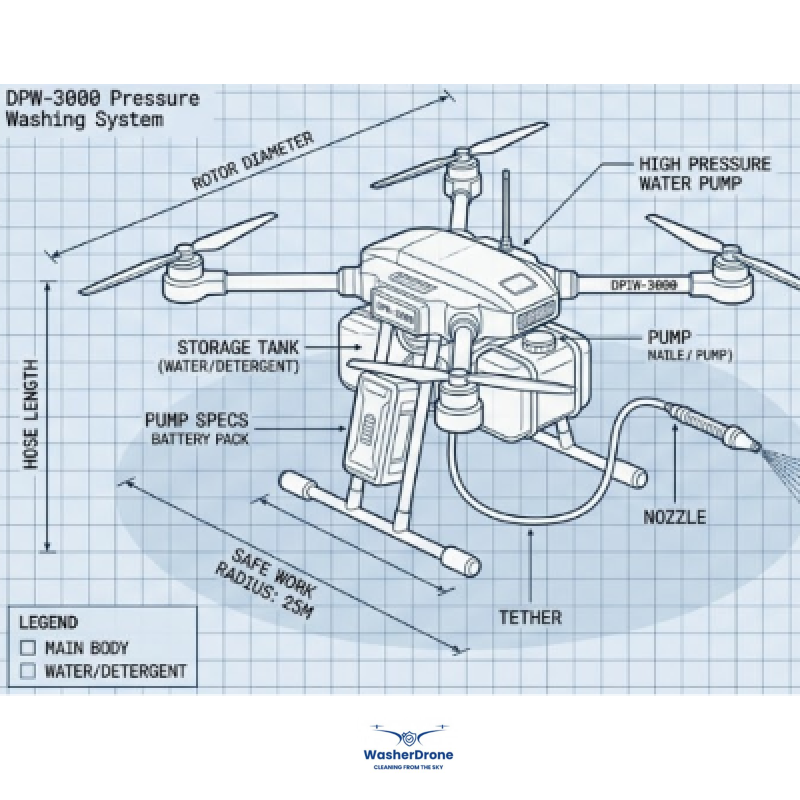
Drone temizliği yönetmelikleri, insansız hava araçlarıyla dış cephe temizliğinin nasıl yapılabileceğini düzenleyen yasal ve güvenlik gereksinimlerini tanımlar. Bu makale, bu çerçevelerin Avrupa Birliği ve Amerika Birleşik Devletleri arasında nasıl farklılık gösterdiğini ve bir operatörün her pazarda neleri karşılaması gerektiğini açıklamaktadır. Cephe temizliği hizmeti ekleyen drone servis operatörleri için, drone temizliği yönetmeliklerini anlamak, ölçeklenebilir, sigortalanabilir bir işletme ile yaptırım riskine maruz kalan bir işletme arasındaki farkı oluşturur. WasherDrone (WD), operatörlerin bu gereksinimleri karşılamasını sağlayan sistemi ve operasyonel desteği sağlar; şirket temizliği kendisi yapmak yerine ekipmanı üretir.
Drone temizliği yönetmelikleri, temizlik dronlarının nerede, nasıl ve kim tarafından uçurulabileceğini belirleyen havacılık ve iş güvenliği kurallarının birleşimidir. Bunlar tek bir belge değil, bir dizi kuraldan oluşmaktadır: hava sahası yetkilendirmesi, Operatörün yetkinliği, operasyonun risk sınıflandırması ve sigorta.
Cephe temizliğini düzenlemeye tabi kategoriye iten iki faktör var. Birincisi, iş genellikle insanların ve mülklerin yakınında, yerleşim alanlarında gerçekleşiyor. İkincisi, sıvı taşıyan ve yüksekte çalışan motorlu bir hava aracı içeriyor. Bu nedenle her iki düzenleyici de temizliği, başlamadan önce yetkilendirilmesi gereken ticari bir drone operasyonu olarak değerlendiriyor; operatörün sahada doğaçlama yapabileceği bir faaliyet olarak değil.
AB Yaklaşımı: SORA ve Özel Kategori
Avrupa Birliği'nde, insansız hava araçlarıyla yapılan cephe temizliğinin büyük çoğunluğu şu kategorilere giriyor: Belirli kategori, İşletmecinin operasyonel yetkilendirme almadan önce kabul edilebilir risk seviyesini göstermesi gerekmektedir. Bunu yapmanın başlıca yöntemi şudur: Özgül Operasyonel Risk Değerlendirmesi (SORA).
SORA, operatörün karşılaması gereken bir SAIL (Özgül Güvence ve Bütünlük Seviyesi) ve bir dizi Operasyonel Güvenlik Hedefi üreten, yer riski ve hava riskinin yapılandırılmış bir değerlendirmesi olarak tanımlanır. EASA'ya göre, SORA 2.5 mevcut referans metodolojisidir ve SORA 3.0, yöntemin temelini oluşturan uluslararası kuruluş JARUS tarafından geliştirilme aşamasındadır. Önceden tanımlanmış bir profile uyan operasyonlar için, değerlendirme yükünü yetkilendirme gerekliliğini ortadan kaldırmadan azaltan iki daha hafif yol mevcuttur: Standart Senaryo (STS) ve Önceden Tanımlanmış Risk Değerlendirmesi (PDRA).
ABD Yaklaşımı: Bölüm 107 Muafiyetleri ve Bölüm 108'in Yükselişi
Amerika Birleşik Devletleri'nde, drone ile temizlik esas olarak Bölüm 107'ye tabidir ve standart kapsamın ötesindeki herhangi bir işlem için ek yazılı gerekçe gereklidir. Bölüm 107, 25 kg'ın (55 lb) altındaki ticari dronelar için geçerlidir ve çoğu cephe çalışması için temel standardı belirler.
Yasal alt sınır 14 CFR §107.49'dur: uçuş öncesi işletme ortamının, uçak durumunun ve kontrol bağlantılarının değerlendirilmesi. Bu, belgelemeye dayalı bir işlemden ziyade pilotun sorumluluğundadır. Standart sınırların dışında yapılan herhangi bir işlem (insanların üzerinden uçuş, gece operasyonları veya görüş hattının ötesinde uçuş) operatörü §107.200 kapsamındaki bir muafiyet rejimine sokar ve bu da yazılı bir güvenlik raporu gerektirir. Yeni bir çerçeve, Bölüm 108, Bu durum, mevcut manzarayı yeniden şekillendiriyor. FAA'ya göre, 7 Ağustos 2025'te yayınlanan 108. Bölüm Kural Koyma Teklifi Bildirimi, 600 kg'a (1.320 lb) kadar olan operasyonları kapsayan performans tabanlı bir yapı ile vaka bazlı muafiyet sisteminin yerini almayı amaçlıyor. Buna paralel olarak yaptırım riskleri de arttı: 2024 FAA Yeniden Yetkilendirme Yasası, sivil ceza tavanlarını ihlal başına 75.000 dolara yükseltti.
AB ve ABD'nin Drone Temizleme Düzenlemelerinin Karşılaştırılması
AB ve ABD'nin drone ile temizlik düzenlemeleri arasındaki temel fark yapısal niteliktedir: AB, operatörleri tek bir risk değerlendirme yolundan geçirirken, ABD temel bir düzenlemenin üzerine muafiyetler ve yeni bir kural eklemektedir.
| Boyut | Avrupa Birliği | Amerika Birleşik Devletleri |
|---|---|---|
| Yönetim çerçevesi | SORA, Belirli kategori içerisinde yer almaktadır. | Bölüm 107 + §107.200 muafiyetleri; Bölüm 108 (önerilen) |
| Risk yöntemi | Kara ve hava riski → SAIL + Operasyonel Güvenlik Hedefleri | Uçuş öncesi kontrol (§107.49); feragatler için yazılı gerekçe |
| Ağırlık kapsamı | Belirli kategori içindeki vaka bazında değerlendirme | Bölüm 107, 25 kg'ın (55 lb) altında; Bölüm 108, 600 kg'a (1.320 lb) kadar. |
| Onay birimi | Operasyon/senaryo başına operasyonel yetkilendirme | Uçuş başına muafiyet → operasyonel alan onayı (Bölüm 108) |
| Ortak kök | JARUS SORA | JARUS'tan etkilenmiş (Bölüm 108) |
Pratik açıdan çıkarılacak sonuç yakınsamadır: Her iki sistem de giderek aynı JARUS metodolojisine dayanmaktadır, bu nedenle bir pazarda uyumluluk disiplini oluşturan bir işletme diğer pazara daha iyi hazırlanmış olur.
Bu, Cephe Temizleme İşletmecileri İçin Ne Anlama Geliyor?
Cephe temizliği tipik olarak görüş hattı (VLOS) operasyonudur ve bu da onu her iki düzenleyici sistemin de daha erişilebilir kademelerinde tutar. Operatör yerde durur, drone görüş alanında kalır ve iş, teslimat ve denetim tartışmalarına hakim olan görüş hattının ötesindeki yolları gerektirmez. Bu nedenle, Bölüm 108 ve BVLOS, sektör için standart bir temizlik operasyonu yolu değil, bitişik bir sınırdır.
Operatörlerin ihtiyaç duyduğu şey, yetkilendirme için belgelenmiş, tekrarlanabilir bir temeldir: sınıflandırılmış bir operasyon, yetkin bir uzaktan kumandalı pilot ve -AB'de- tamamlanmış bir SORA veya nitelikli bir STS/PDRA. İşte burada sistem seçimi önem kazanıyor. WasherDrone tedarik ediyor. bu gereksinimler için tasarlanmış bir platform SkyBase sistem satın alımının bir parçası olarak, operatörlerin yetkilendirme paketlerini sıfırdan oluşturmak yerine bir araya getirebilmeleri için SORA danışmanlığı sağlar. Yeni bir pazar için drone temizleme düzenlemelerini değerlendiren operatörler, İletişim formumuz aracılığıyla bir görüşme talebinde bulunun. Onlara uygulanacak gereksinimleri belirlemek.
Sıkça Sorulan Sorular
Drone ile temizlik yapmak için lisansa ihtiyacınız var mı?
Evet. Hem AB'de hem de ABD'de, ticari drone ile temizlik, yetkin, kayıtlı bir operatör ve operasyona uygun bir yetkilendirme gerektirir. AB'de bu genellikle Belirli Kategori operasyonel yetkilendirmesi anlamına gelir; ABD'de ise Bölüm 107 sertifikası ve operasyonun gerektirdiği herhangi bir muafiyet anlamına gelir.
Drone temizliğinde SORA nedir?
SORA (Spesifik Operasyon Risk Değerlendirmesi), bir drone operasyonunun yer ve hava risklerinin kabul edilebilir düzeyde kontrol edildiğini göstermek için kullanılan AB metodolojisidir. Bu metodoloji, operatörün yetkilendirme alabilmesi için karşılaması gereken bir SAIL seviyesi ve güvenlik hedefleri listesi üretir. Cephe temizliği için, uyumlu bir operasyona ulaşmanın en yaygın yoludur.
Cephe temizliği için BVLOS onayı gerekli midir?
Genellikle hayır. Cephe temizliği normalde görüş hattı içinde, operatör yerde ve drone görüş alanında olacak şekilde yapılır, bu nedenle görüş hattının ötesindeki kuralların dışında kalır. ABD Bölüm 108 önerisi gibi görüş hattı ötesi çerçeveleri, standart temizlik işlerinden ziyade bitişik uygulamalar için geçerlidir.
Yazar notu: Bu makale, WasherDrone teknik içerik ekibi tarafından, şirketin drone tabanlı dış cephe temizleme sistemleri üreticisi ve tedarikçisi olarak edindiği deneyimden yararlanılarak hazırlanmıştır. WasherDrone ticari temizlik yapmaz; operatörlerin uyumlu cephe temizliği yapmalarını sağlayan sistemi ve operasyonel desteği sağlar. Her işlemden önce, ilgili mevzuat referanslarının güncel EASA ve FAA yayınlarına göre doğrulanması gerekmektedir.