

Der Einsatz von Reinigungsdrohnen hat die Fassaden- und Dachreinigung weltweit revolutioniert. Dank sichererer Arbeitsabläufe, schnellerer Auftragsabwicklung und minimalem Personalaufwand setzen moderne Drohnenreinigungsunternehmen verstärkt auf professionelle Ausrüstung – sowohl in der Luft als auch am Boden. Ein entscheidender, aber oft unterschätzter Bestandteil dieses Systems ist der Transporter, der für den Transport und die Lagerung der Ausrüstung dient.
Ein Drohnenreinigungsfahrzeug ist mehr als nur ein Transportmittel. Für Teams, die mit Reinigungsdrohnen arbeiten, dient es als mobile Ausrüstungszentrale, Ladestation, Chemikalienlager und Arbeitsbereich. Die Wahl der richtigen Fahrzeuggröße beeinflusst alles – von Sicherheit und Zugänglichkeit bis hin zu Arbeitseffizienz und langfristiger Skalierbarkeit.
Dieser Leitfaden erläutert die drei Hauptvarianten der Transporter L1H2, L2H2 und L3H2 und erklärt, warum WasherDrone für professionelle Einsätze die Varianten L2H2 und L3H2 empfiehlt. Der Artikel zeigt außerdem auf, warum die Variante L1H2 für eine vollständige Bodeninstallation und eine optimale Regalanordnung schlichtweg zu klein ist.
Grundlagen zur Transportergröße: L1H2-, L2H2- und L3H2-Abmessungen
Die genauen Messwerte variieren je nach Marke, aber die Branchenstandards sind einheitlich genug, um die Planung von Reinigungsdrohneneinsätzen zu leiten.
L1H2 (Kompaktkarosserie + mittelhohes Dach)
- Innenlänge: 2,50–2,60 m
- Innenhöhe: 1,75–1,90 m
- Frachtvolumen: 6–7 m³
L2H2 (mittlere Karosserie + mittelhohes Dach)
- Innenlänge: 2,90–3,00 m
- Innenhöhe: 1,90–2,00 m
- Frachtvolumen: 9–12 m³
L3H2 (Langer Aufbau + mittelhohes Dach)
- Innenlänge: 3,60–4,10 m
- Innenhöhe: 1,90–2,10 m
- Frachtvolumen: 12–15+ m³
Diese Größenunterschiede haben einen erheblichen Einfluss darauf, wie Bodensysteme, Zubehör und Reinigungsdrohnen im Fahrzeug angeordnet werden können.
Warum L1H2 für einen professionellen Drohnenreinigungsbetrieb zu klein ist
Auf den ersten Blick wirkt der L1H2 attraktiv. Er ist leichter zu manövrieren, zu parken und zu lagern. Sobald ein Unternehmen jedoch Reinigungsdrohnen professionell einsetzt, erweist sich die kompakte Größe des Transporters schnell als große Einschränkung.
1. Die Speicherung von Bodensystemen ist eingeschränkt.
Das WasherDrone-Bodensystem umfasst Pumpeneinheiten, Schlauchaufroller, Dosiermodule, Filterkomponenten und Sicherheitssteuerungen. Diese sind für die sichere Montage im Transporter vorgesehen. Die geringe Innenraumlänge des L1H2 (ca. 2,5 m) bietet jedoch nicht genügend Platz für die Installation des kompletten Systems, während gleichzeitig noch Raum für Reinigungsdrohnen, Schutzkoffer, Kabel und notwendiges Zubehör vorhanden ist.
2. Regalsysteme und Organisation werden unpraktisch.
Drohneneinsätze sind auf gut strukturierte Regalsysteme angewiesen für:
- Akkus
- Propeller-Kits
- Werkzeugkästen
- Chemikalienlagerung
- Wartungsausrüstung
In einem L1H2-System müssen die Regale schmal und flach sein, was den Zugang erschwert und das Risiko von Geräteschäden erhöht. Die Bediener von Reinigungsdrohnen benötigen jedoch einen schnellen und sicheren Zugriff auf ihre Ausrüstung und keine beengte Arbeitsumgebung.
3. Langfristiges Wachstum wird unmöglich.
Die Größe L1H2 bietet nicht genügend Platz für komplexere Bodenkonfigurationen für WasherDrone oder erweiterte Zubehörsets, die für professionelle Reinigungsdrohnen benötigt werden. Unternehmen stoßen bei dieser Transportergröße in der Regel an ihre Grenzen und müssen sie früher als erwartet ersetzen.
Fazit:
L1H2 ist für professionelle Drohnenreinigungsunternehmen ungeeignet. Es bietet zu wenig Platz für die Installation von Bodensystemen und nicht die erforderliche Regaltiefe für eine sichere und übersichtliche Lagerung.
Warum L2H2 die praktischste Wahl für die meisten Drohnenreinigungsteams ist
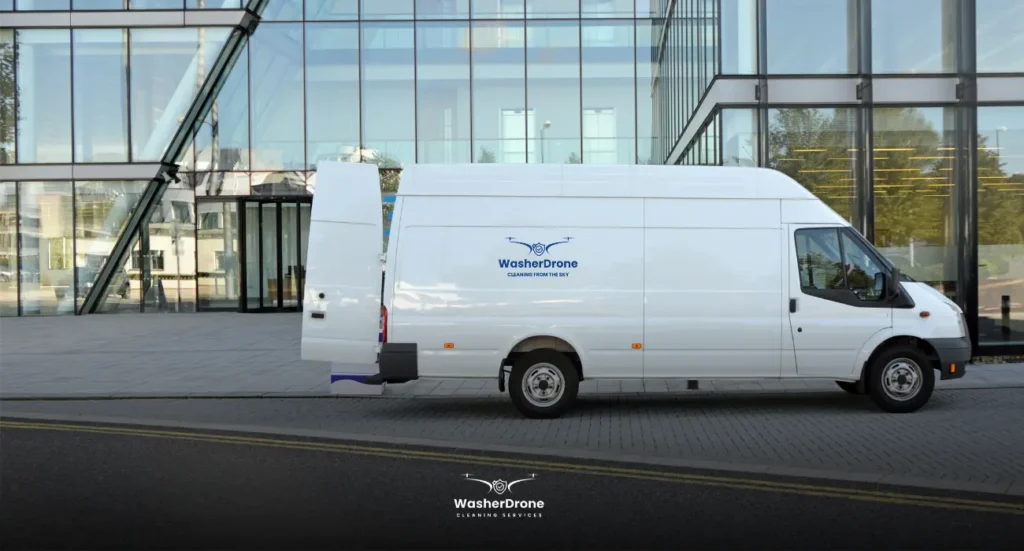
Der L2H2 Dieses Format bietet die beste Balance zwischen Manövrierfähigkeit und Innenraumvolumen und ist daher die am häufigsten gewählte Option unter professionellen Anwendern von Reinigungsdrohnen.
1. Ideale Innenlänge für WasherDrone-Bodensysteme
Dank einer nutzbaren Länge von fast 3 Metern lassen sich Pumpenschrank, Schlauchtrommel, Dosiereinheit und Steuermodule bequem an einer Seite des Transporters montieren. Dadurch bleibt ein freier Mittelgang und zusätzlicher Platz für Reinigungsdrohnen und deren Zubehör erhalten.
2. Geeignete Innenhöhe für effiziente Regalsysteme
Die Transporter vom Typ L2H2 ermöglichen es den Bedienern in der Regel, halb aufrecht zu stehen, was das Beladen und die Wartung der Ausrüstung vereinfacht. Noch wichtiger ist jedoch, dass ihr vertikaler Raum die Installation robuster Regalsysteme ermöglicht, die für die effiziente Organisation der Ausrüstung im wachsenden Einsatz von Reinigungsdrohnen unerlässlich sind.
3. Die Mobilität ist weiterhin gut zu bewältigen.
Die L2H2-Modelle sind nach wie vor stadttauglich. Sie navigieren problemlos durch Wohnstraßen und Gewerbegebiete, ohne die Manövrierschwierigkeiten, die mit längeren Fahrzeugen einhergehen.
4. Skalierbar für die Entwicklung von Betriebsabläufen
Wenn Unternehmen mehr Zubehör, größere Schläuche, verbesserte Pumpen oder zusätzliche Betriebsmittel einsetzen, bietet der L2H2 genügend Spielraum für Wachstum, ohne dass eine sofortige Flottenaufrüstung erforderlich ist.
Abschluss:
Für die meisten professionellen Drohnenreiniger ist L2H2 der optimale Ausgangspunkt. Das modulare Bodensystem von WasherDrone passt perfekt, und der Transporter bietet Platz für stabile Regalsysteme, die für den täglichen Einsatz von Reinigungsdrohnen geeignet sind.
Warum L3H2 die Premium-Wahl für große oder hochvolumige Betriebe ist
Wenn Betreiber ihr Geschäft auf größere gewerbliche oder industrielle Reinigungsaufträge ausweiten, L3H2 wird zur natürlichen Weiterentwicklung. Es bietet unübertroffene Flexibilität bei Innenraumgestaltung und Raumaufteilung für Unternehmen, die Reinigungsdrohnen an anspruchsvollen Standorten einsetzen.
1. Großzügige Innenraumlänge für anspruchsvolle Raumaufteilungen
Mit einer Innenlänge von über 3,6 Metern bietet der L3H2 Platz für:
- Übergroße Schlauchaufroller
- Größere Chemikalientanks
- Multimodul-Bodensysteme
- Regale in voller Höhe
- Erweiterte Werkzeugaufbewahrung
Dadurch eignet es sich ideal für leistungsstarke Reinigungsdrohnen-Setups.
2. Ideal für fortschrittliche Lade- und Stromversorgungssysteme
Viele professionelle Teams installieren Wechselrichter, spezielle Ladestationen und isolierte Abteile. Der L3H2 bietet den nötigen Platz, um Ladezonen sicher von Chemikalienlagern oder Bodenanlagen zu trennen.
3. Reibungsloser Arbeitsablauf für große Teams
Da alles seinen festen Platz hat, von Schläuchen bis hin zu Drohnenkoffern, werden die Abläufe auf der Baustelle schneller und besser organisiert.
4. Zukunftssichere Investition
Da sich Reinigungsdrohnen ständig weiterentwickeln und eine leistungsfähigere Bodenunterstützung benötigen, bietet der L3H2 die Möglichkeit zur Aufrüstung, ohne dass der gesamte Transporter ausgetauscht werden muss.
Abschluss:
L3H2 ist die erste Wahl für Teams, die maximale Flexibilität, langfristige Skalierbarkeit und Leistung auf industriellem Niveau suchen.
Abschließende Empfehlung für WasherDrone-Nutzer
Nach umfangreichen Praxiserfahrungen rät WasherDrone:
- L2H2 als Standardwahl für professionelle Drohnenreinigungsarbeiten
- L3H2 als die beste Konfiguration für große, volumenstarke oder expansionsorientierte Unternehmen
Beide Transporter ermöglichen die problemlose Integration in Bodensysteme, die sichere Installation von Regalen und effiziente Arbeitsabläufe beim Betrieb von Reinigungsdrohnen. Der L1H2 ist zwar kompakt, aber für größere oder skalierbare Installationen nicht geeignet.
Häufig gestellte Fragen
1. Warum ist L1H2 nicht für den professionellen Einsatz von Reinigungsdrohnen geeignet?
Weil die Innenlänge und -höhe für WasherDrone-Bodensysteme und geeignete Regalsysteme zu gering sind.
2. Was macht L2H2 zur ausgewogensten Option?
Es bietet ausreichend Platz für die Installation eines kompletten Bodensystems und ist gleichzeitig in Städten leicht zu manövrieren.
3. Ist L3H2 für große kommerzielle Projekte notwendig?
Es eignet sich ideal für Anwendungen, die eine große Speicherkapazität, fortschrittliche Stromversorgungssysteme oder ausgedehnte Gerätekonfigurationen erfordern.
4. Können alle Transportergrößen Regale aufnehmen?
Technisch gesehen ja, aber nur L2H2 und L3H2 bieten die erforderliche Tiefe und Höhe für sichere und funktionale Regalsysteme, die mit Reinigungsdrohnen verwendet werden.
5. Sind die WasherDrone-Bodensysteme mit jedem Transporter kompatibel?
Sie können in vielen Fahrzeugen montiert werden, ihre optimale Leistung erbringen sie jedoch in L2H2 und L3H2 aufgrund ihrer Platz- und Layoutflexibilität.
Bitte füllen Sie das Formular aus, um mit uns Kontakt aufzunehmen.